
![English vs Japanese Pokemon TCG Cards: Which Should You Choose? [05-28]](http://slabtowncards.com/cdn/shop/articles/high.webp?v=1780005233&width=1100)
English vs Japanese Pokemon TCG Cards: Which Should You Choose? [05-28]
When building your Pokemon card collection, one of the biggest decisions you'll face is choosing between English and Japanese cards. This choice can significantly impact both your collection's value and your overall collecting experience. Let's break down the key differences in simple terms to help you make the best decision for your collection goals.
Understanding the Price Difference
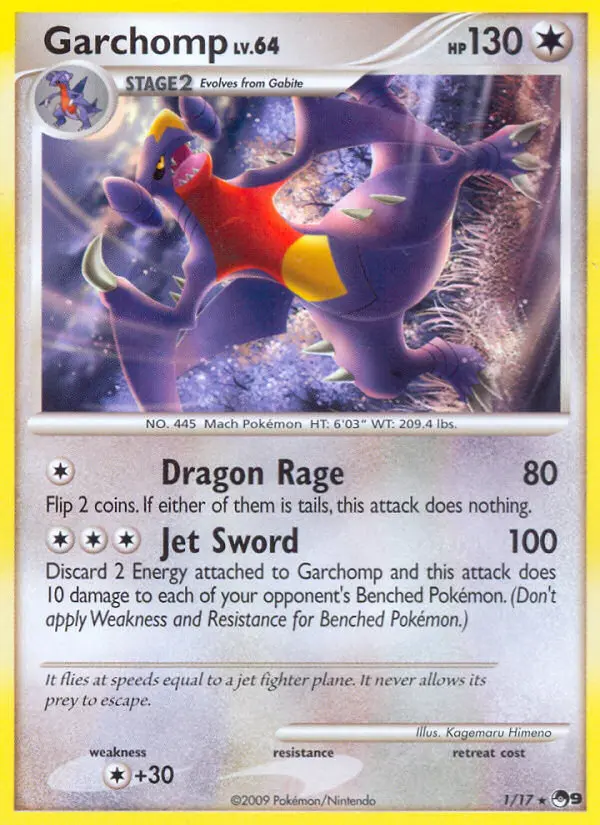
Garchomp —
Japanese Pokemon cards typically cost more than their English counterparts, and there are solid reasons for this price gap. First, Japanese cards are printed in smaller quantities, making them naturally more scarce. Second, the quality control standards in Japan are incredibly thorough, resulting in cards with superior print quality and fewer defects. This combination of limited supply and higher quality creates a premium that collectors are willing to pay.
For beginners, this means Japanese cards often represent a more significant investment upfront. However, this higher initial cost can translate to better value retention over time, making them attractive for long-term collectors focused on market performance.
Quality and Craftsmanship Differences
The most noticeable difference between English and Japanese cards lies in their production quality. Japanese cards feature sharper artwork reproduction, more vibrant colors, and consistently better centering. The cardstock itself feels more premium, with a smoother finish that enhances the visual appeal of special treatments like holographic effects.
English cards, while still high quality, sometimes show slight variations in print quality and centering. This doesn't make them inferior for gameplay, but it can affect their appeal to collectors who prioritize pristine condition cards for their collections.
Market Value and Investment Potential
From a market analysis perspective, Japanese cards generally show stronger value retention and appreciation over time. Several factors contribute to this trend:
- Limited print runs create natural scarcity
- Higher quality standards mean fewer perfect condition cards in circulation
- International demand from collectors who prefer Japanese originals
- Cultural significance as cards from Pokemon's country of origin
English cards, however, have their own market advantages. They're more accessible to western collectors, have larger print runs that keep prices reasonable for newer collectors, and maintain strong demand due to their use in official tournaments outside Japan.
Accessibility and Availability
English cards are perfect for beginners because they're widely available through local game stores, online retailers, and major retailers. You can easily find current sets, older releases, and individual cards without dealing with import logistics or language barriers.
Japanese cards require more effort to obtain, typically involving specialized retailers or import services. However, this extra effort often rewards collectors with access to exclusive artwork, special promotional cards, and sets that never receive English releases.
Building a Comprehensive Collection Strategy
Many successful collectors adopt a mixed approach rather than choosing exclusively one language. This strategy allows you to enjoy the best of both worlds while managing costs effectively. Consider focusing on Japanese cards for your favorite Pokemon or special sets while building your general collection with English cards.
For tournament players, English cards make practical sense for deck building, while Japanese cards can serve as premium display pieces or long-term investments. This detailed approach helps balance immediate enjoyment with future value considerations.
Making Your Decision
Your choice should align with your collecting goals and budget. If you're new to collecting and want to build a substantial collection quickly, English cards offer excellent value and accessibility. If you're focused on premium quality and potential investment returns, Japanese cards provide superior craftsmanship and market performance.
Remember that both English and Japanese cards can form the foundation of an impressive collection. The key is understanding what matters most to you: immediate accessibility and affordability, or premium quality and investment potential. Either path can lead to a rewarding collecting experience that brings years of enjoyment.